Flame Retardant Fabric from China: Essential Insights for Safety and Compliance
2026-06-26
When safety standards and compliance are non-negotiable, selecting the right flame retardant fabric becomes a critical decision. China’s textile industry has emerged as a global leader in producing high-performance flame retardant materials, but navigating this complex market requires more than just a casual glance. From understanding certification benchmarks to evaluating product durability, the path to sourcing reliable fabric is filled with essential details that can make or break your project. DROTEX stands at the forefront, offering clarity in a landscape where every thread counts. Let’s uncover the key insights that ensure your choices meet the highest safety standards without compromise.
Understanding Flame Retardant Standards for Chinese Textiles
China's approach to textile fire safety is shaped by a distinct set of national standards that often differ from those in Western markets. Rather than simply adopting international norms, regulators have developed requirements that reflect local risk assessments and typical usage environments. This means products that pass tests in Europe or the US might not automatically meet Chinese criteria, especially for sectors like upholstered furniture, children's sleepwear, and public space drapery. The standards themselves are embedded in a broader system of compulsory and voluntary markings, such as the CCC stamp for certain product categories, which serve as market-entry gatekeepers. Understanding these nuances is essential for anyone looking to manufacture or sell textiles in the region.
At the core of Chinese flame retardant testing lie methods that gauge ignition ease, flame spread rate, and smoke density. For many home and contract textiles, GB 20286 is the key mandatory standard, imposing strict flammability limits alongside smoke toxicity requirements—a twist that can act as a hidden barrier because toxicity is not as prominent in many other national frameworks. Other frequently referenced standards include GB 8624 for building materials, which classifies products into levels like B1 and B2, mimicking but not mirroring the European Euroclass system. The test apparatus and sample preparation methods are specified in great detail, leaving little room for ambiguity; for instance, the standard will prescribe exact conditioning regimes and flame application times that must be followed to the letter for a valid result.
Behind the certifications lies a dynamic landscape where enforcement is increasingly tied to digital traceability and post-market surveillance. Manufacturers often find that staying compliant requires more than a single laboratory report—it means anticipating periodic factory audits and random product sampling by authorities. Interpreting the standards also calls for attention to the fine print: some regulations apply only to final products, while others extend to components like wadding or linings. As the regulatory framework evolves, there is a growing emphasis on environmental sustainability alongside fire safety, pushing the industry to explore inherently flame-resistant fibers and eco-friendly finishing technologies that can meet performance benchmarks without relying on banned substances.
Why China’s Manufacturing Process Ensures Reliable Fire Resistance
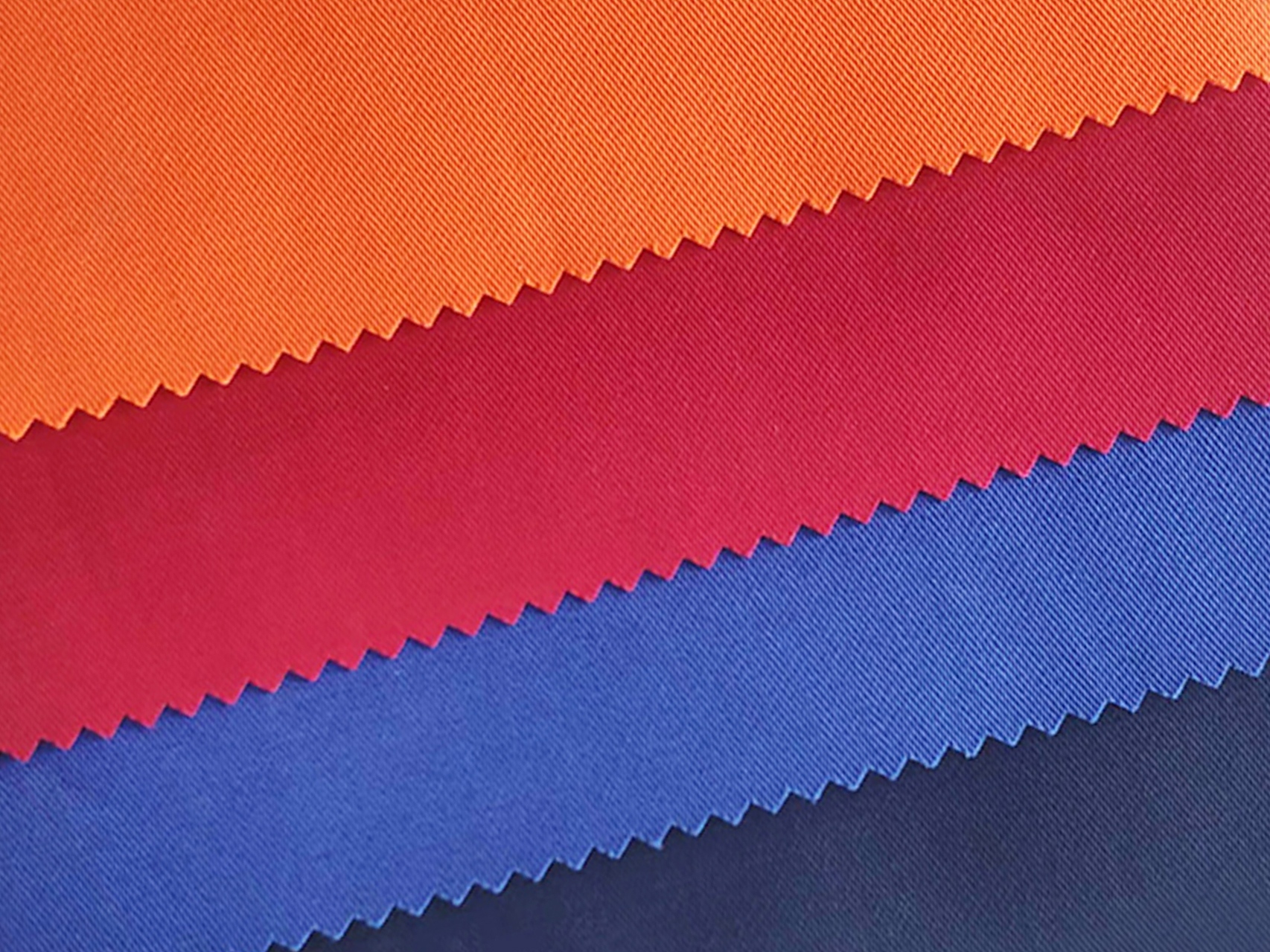
China’s approach to manufacturing fire-resistant materials is rooted in decades of accumulated expertise and an uncompromising quality control system. Factories leverage advanced automation alongside rigorous manual inspections to pinpoint defects that machines alone might miss. Raw materials like gypsum, glass fibers, and vermiculite undergo stringent pre-production testing for purity and thermal performance. This layered verification — from incoming ingredients to final product — drastically reduces inconsistencies that could compromise fire ratings.
The integration of large-scale R&D within production clusters accelerates continuous improvement. Engineers routinely simulate real-world fire scenarios to refine formulations and assembly methods. For instance, proprietary additives that expand under heat are fine-tuned across countless batches to ensure a predictable reaction. Unlike scattered supply chains, the concentrated network of specialized suppliers enables tight specification sharing and immediate feedback loops. Such synergy means a door core or wall panel isn’t merely compliant on paper — it performs reliably when it matters most.
Moreover, the manufacturing culture emphasizes full traceability and certification transparency. Every production run ties back to digital records documenting furnace temperatures, mixing times, and curing conditions. External audits are welcomed, with labs exceeding basic ISO requirements by subjecting samples to prolonged flame exposure beyond standard test durations. This obsession with proof over claims fosters trust: the fire resistance isn’t an occasional lucky result but a repeatable outcome baked into the process.
Behind the Fabric: Materials That Truly Resist Flames
Pull back the curtain on most flame-resistant fabrics and you’ll find a quiet battle playing out at the molecular level. Some materials simply refuse to fuel a fire—not because they’ve been sprayed with a chemical afterthought, but because their very polymer chains are built to starve combustion. Aramid fibers like Nomex and Kevlar are prime examples. When exposed to intense heat, they don’t drip or melt like nylon or polyester; instead, they carbonize, forming a thick, insulating char that shields whatever’s beneath. That’s the sort of stubborn chemistry that doesn’t wash out in the laundry or fade over a few dozen industrial washes.
Then there’s the quiet achiever that’s been around since your grandmother’s ironing board: cotton. Cotton alone is kindling, but treat it the right way—impregnating the cellulose with phosphorus-based compounds during the fiber’s formation—and it transforms. The treatment isn’t a coating; it’s a marriage at the molecular level. When flames lick at the fabric, the phosphorus triggers a dehydration reaction that turns the cotton into a carbon-rich char rather than a volatile gas. It’s a permanent shift, not a rented guard. Modacrylic blends pull a similar trick, releasing non-combustible fumes that actively suffocate the fire. These aren’t the stiff, swampy fabrics of decades past either; modern versions breathe and move, fooling the touch almost into forgetting they’re engineered for infernos.
Compliance Without Confusion: Navigating Global Safety Regulations
Global safety regulations form a patchwork of ever-evolving requirements that can trip up even the most diligent organizations. From the EU’s REACH and CE marking to OSHA standards in the United States and China’s GB standards, each framework carries its own nuances, testing protocols, and documentation demands. The real challenge isn’t just knowing the rules—it’s making sense of how they overlap, contradict, or silently update without clear industry-wide announcements.
Effective navigation starts with a compliance strategy that treats regulatory change as constant, not episodic. Teams that succeed tend to embed cross-functional awareness early, connecting product designers, legal advisors, and supply chain managers into a single feedback loop. Instead of reacting to enforcement actions, they map requirements onto actual product lifecycles, using internal audits not as box-checking exercises but as moments to spot gaps before they widen into liabilities.
One practical approach is to designate a regulatory steward—someone who filters raw legislative updates into actionable steps for specific departments. This cuts through the noise and prevents confusion from cascading through the organization. When paired with lightweight digital tools like shared dashboards for certification expiration dates and test statuses, companies gain a clear, real-time view of their obligations without drowning in paper. Clarity, in this context, is as much about process design as it is about legal knowledge.
Real-World Applications Where These Fabrics Save Lives
Across high-risk industries, protective fabrics are not just a compliance measure; they’re the thin line between life and death. Firefighters battling flashover conditions depend on turnout gear made from inherently flame-resistant fibers like aramids and polybenzimidazole (PBI). Unlike treated fabrics that degrade over time, these materials won’t melt, drip, or ignite, giving crews crucial extra seconds to escape collapsing structures or flash fires. In a split-second inferno, it’s the fabric’s ability to remain intact and insulate against extreme heat that prevents catastrophic burns.
Beyond the fireground, chemical and biological threats demand an entirely different shield. Military and hazardous material teams rely on selectively permeable fabrics that block toxic agents while letting sweat evaporate, preventing heat stress during prolonged decontamination missions. Real-life applications like nuclear waste handling or responding to industrial ammonia leaks show how a suit’s fabric must repel lethal molecules without suffocating the wearer. Without this dual capability, operators would be forced to choose between protection and mobility, often with deadly consequences.
Even in less obvious settings, like motorsports, advanced textiles play a silent, life-saving role. Multi-layer suits crafted from carbon-fiber blends and aramids give drivers a protective cocoon that resists direct flame for up to 20 seconds—enough time for rescue crews to pull them from a fuel-fed fire. Meanwhile, off-shore oil platform workers wearing flash-fire suits, which self-extinguish instantly, survive blasts that would otherwise leave little chance. In each of these worlds, the right fabric doesn’t just perform; it postpones the irreversible.
Choosing the Right Supplier: Red Flags and Trust Signals
When you’re on the hunt for a supplier, the way they handle early interactions tells you a lot. If emails go unanswered for days, quotes come back with vague line items, or they dodge simple questions about their production process, treat those as serious warning signs. Another red flag is an unwillingness to share samples or references—credible suppliers rarely hide behind secrecy. And if the pricing seems too good to be true, it usually is. Lowball offers often mask corner-cutting that will cost you more down the road.
On the flip side, trust builds through transparency. A solid partner will happily walk you through their manufacturing steps, provide third-party certifications without being asked, and connect you with satisfied longtime clients. Look for clear, detailed contracts that outline responsibilities and remedies, not vague handshake deals. Suppliers who invest in quality control measures, maintain active communication channels, and show genuine curiosity about your business needs are the ones worth keeping. Over time, these signals separate the reliable from the risky.
FAQ
China has built a vast textile infrastructure that combines advanced production techniques with cost efficiency. Mills often integrate spinning, weaving, and finishing under one roof, allowing tight quality control and rapid scaling. Many factories hold certifications like OEKO-TEX and ISO, and they’ve invested heavily in R&D to develop fabrics that balance durability, comfort, and fire protection—without the stiff hand feel that plagued earlier generations.
Reputable Chinese manufacturers routinely test for standards such as NFPA 701 (drapery), EN 11612 (protective clothing), BS 5852 (upholstery), and ASTM E84 (building materials). Some also comply with IMO FTP Code for marine interiors or FAR 25.853 for aviation. You’ll often see test reports from SGS, Intertek, or TÜV right on the product spec sheet.
Insist on third-party test reports from recognized labs, not just in-house certificates. A reliable supplier will send you swatches for independent burn testing before bulk production. During factory audits, ask to see their ongoing compliance testing log and check if they run random batch tests internally. Video calls during testing can add another layer of transparency.
You’ll find them in hotel curtains, theater drapery, hospital privacy screens, tent structures, and protective workwear for welders and electricians. Automotive and train seating fabrics are a growing segment, as are contract upholstery for offices and public spaces. A newer niche is flame-resistant liners for battery housings and e-mobility components.
Beyond competitive pricing, Chinese mills offer flexibility: they can engineer fabric weights, weaves, and flame retardant chemistries to match a buyer’s exact spec. Minimum order quantities are often negotiable, and lead times are generally shorter than in some other regions. Plus, the sheer variety—from sheer voiles to heavy-duty canvas—gives designers one-stop access.
Inherent fabrics, like modacrylic or aramid blends, have flame resistance built into the polymer chain—it doesn’t wash out. Treated fabrics, usually cotton or polyester blends, receive a chemical finish that provides flame retardancy but may diminish with repeated laundering. Chinese mills supply both, and the choice often comes down to end-use: permanence versus cost and feel.
Always request a Certificate of Compliance (CoC) and verify that the product labeling matches the test reports. For regulated sectors like children’s sleepwear or public building interiors, you may need to file information with customs via document systems like the US CPSC’s eFiling. Keep a traceable paper trail—batch numbers, shipment records, and lab reports—because liability can surface years later.
Conclusion
When sourcing flame retardant fabrics from China, a clear grasp of local and international fire safety standards is non-negotiable. Chinese textile producers have honed their processes over decades, integrating rigorous testing protocols directly into production lines to deliver consistent, verifiable protection. The materials themselves—ranging from inherently flame-resistant fibers like aramid and modacrylic to advanced chemical treatments on cotton blends—define the fabric's ability to withstand extreme heat without compromising comfort or durability. Far from a one-size-fits-all proposition, these textiles are engineered with specific end-use scenarios in mind, ensuring that protective clothing, industrial curtains, and transportation upholstery all meet distinct performance benchmarks.
Navigating global regulations need not be a maze. Chinese manufacturers with robust compliance departments stay current on EU, US, and other regional mandates, often holding certifications such as EN 11611 or NFPA 2112 that simplify cross-border acceptance. In practice, this translates to life-saving performance in firefighting gear, military uniforms, and public venue installations. Still, the difference between a reliable partner and a costly misstep often lies in the details: verify factory audits, request batch-level test reports, and watch for inconsistent sample quality as warning signs. Ultimately, informed buyers who pair technical knowledge with supplier transparency gain more than just compliant fabric—they secure peace of mind.
Contact Us
Contact Person: Sandy
Email: [email protected]
Tel/WhatsApp: 86150 8310 5120
Website: https://www.frdrotex.com