
China Fluffy Socks Manufacturer: Tips for Finding the Perfect Cozy Sock Supplier
2026-06-25
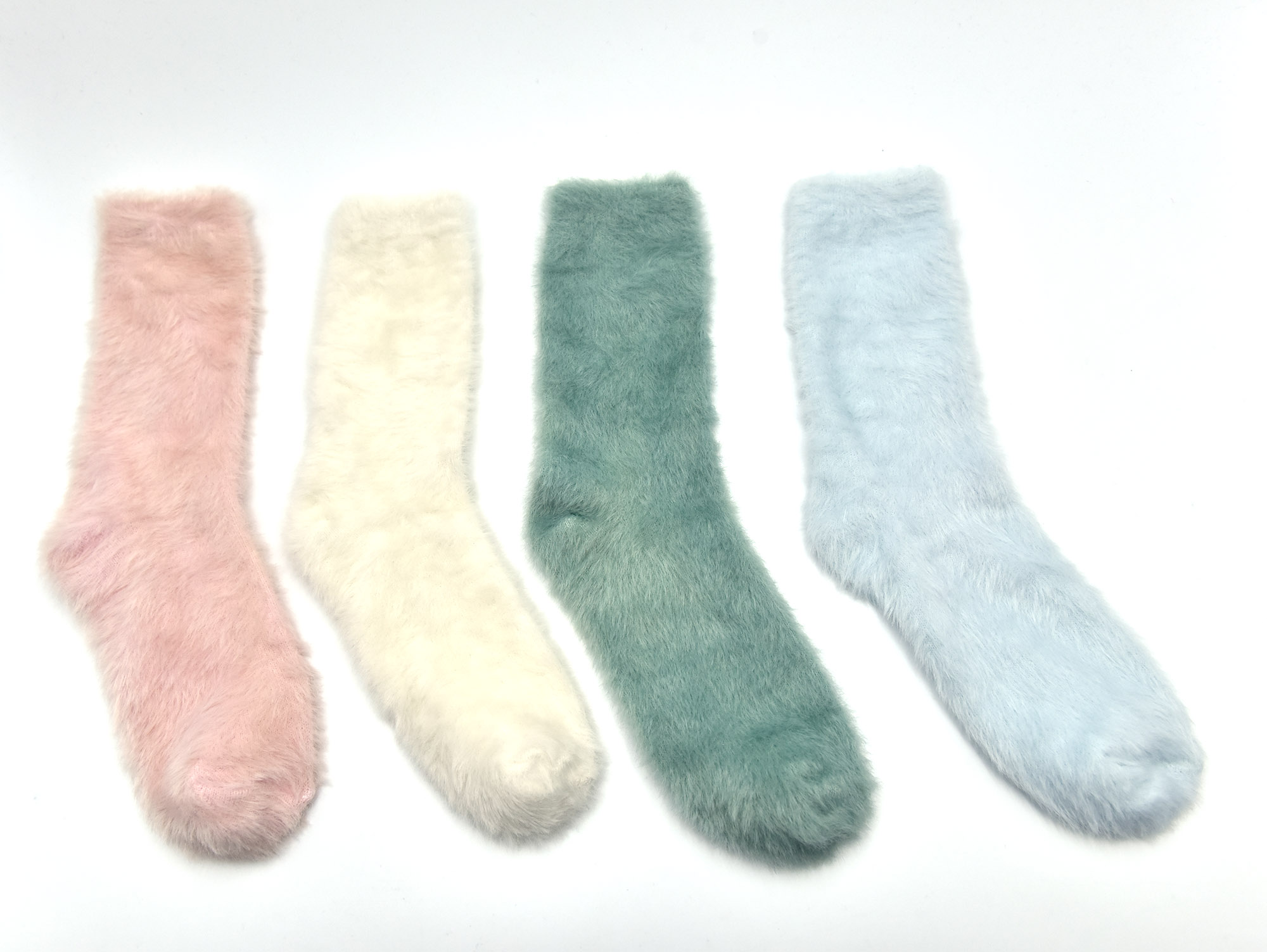
Searching for the perfect China fluffy socks manufacturer can feel overwhelming with so many options promising plush quality and cozy designs. The key lies in knowing what to look for—reliable production, premium materials, and a partner who truly gets your vision. KINDWAY brings years of expertise to the table, making your supplier hunt easier. Here are some insider tips to help you find a cozy sock supplier that stands out from the crowd.
Spotting Quality That Lasts Beyond the First Wash
Ever noticed how some clothes lose their charm right after the first trip through the laundry? That's usually a sign of fabric and construction shortcuts. True quality reveals itself in the details that hold up—seams that stay flat and even, fibers that don't pill or thin out, and colors that remain vibrant instead of turning dull. These are the markers of a garment designed to age gracefully, not fall apart quietly.
Beyond the fabric itself, pay attention to the trims and finishing. Zippers that glide smoothly without catching, buttons that are securely anchored, and reinforced stress points at pockets or cuffs all hint at thoughtful construction. When a piece is made with care, it doesn't just survive washing; it often looks better as it softens and conforms to you, without losing its original character.
A quick hand-feel test can also tell you a lot: high-quality materials tend to have a density and resilience that cheap imitations lack. Give the garment a gentle stretch—does it bounce back, or stay distorted? Look closely at the weave; tight, uniform threads are more likely to keep their shape. Ultimately, it's these small, tangible checks that help you spot pieces worth investing in, long before they ever meet the washing machine.
Customization Secrets: Getting Your Designs Just Right
The trick isn't in the amount of options you offer—it's in how you present them. Start by grouping related choices together so people can scan them without feeling bombarded. When a client sees a cluttered interface, they often settle for defaults or worse, walk away. Think of it as setting a table: you don't pile everything in the center, you place each item where it naturally belongs.
Another overlooked angle is visual feedback. Tiny details like a color swatch updating in real-time or a fabric texture preview that shifts under different lighting can make the process feel intuitive rather than tedious. These micro-interactions signal that the system understands their intent, not just their input. It's the difference between a tool that simply records choices and one that collaborates with the user.
Finally, hide complexity behind clever defaults. Most people don't want to start from scratch—they want a springboard. Smart presets that feel tailored but leave room for tweaking let users feel in control without the paralysis of a blank canvas. Pair that with a straightforward undo path, and you've built trust. When someone knows they can experiment safely, they're far more likely to land on a result that feels unmistakably theirs.
Materials Matter: Choosing Fabrics That Feel Like Clouds
Slipping into something soft shouldn’t be a luxury reserved for special occasions—it’s a daily ritual of self-kindness. The secret lies in how fibers are woven, not just in the label. Look beyond thread count and instead trace your fingers across the surface: does it yield with a gentle sigh, or does it resist? Cloud-like fabrics often have a micro-brushed finish, barely there yet unmistakable, like the underside of a kitten’s ear. They invite you to pause, take a breath, and let the world dissolve for a moment.
The difference between merely comfortable and truly ethereal often comes down to what's left out. Crisp, tightly twisted yarns can feel starched and distant, while fabrics with a looser spin and a hint of natural elasticity—think bamboo blends or high-quality modal—seem to float against the skin. It’s the deliberate imperfection: a slight unevenness in the weave that traps air and creates that weightless sensation. When a fabric feels like it’s barely grazing you, it’s because the fibers are doing exactly what they were meant to do—breathe, drape, and cushion without clinging.
Even more intriguing is how these fabrics evolve over time. A truly cloud-like material doesn’t just hold its softness—it deepens it, developing a personal patina that remembers your shape and warmth. The initial plushness gives way to something more intimate: the cotton that once felt gently crisp now rests against you like a familiar hand. It’s a quiet rebellion against disposable fashion, reminding us that comfort isn't instant—it’s cultivated, through washes that soften fibers further and the countless moments we choose to wear what feels like home.
Tier 1 Factory Visits: What to Look For
Walking into a Tier 1 factory, you’re not just checking boxes—you’re reading the room. The initial vibe matters: Is the floor organized without looking staged? Are workers engaged but not performing for an audience? A well-run facility hums with a rhythm that feels natural, not forced. Watch how materials move, how teams communicate, and whether safety protocols are woven into daily habits rather than posted as afterthoughts. These subtle cues often tell you more about the operation than any polished presentation deck.
Beyond the shop floor, dig into the systems that keep chaos at bay. How does the factory handle sudden order spikes or material shortages? Ask to see real-time data—not just the curated reports. A quick walk past the quality control station can reveal whether rejects are being logged honestly or swept under the radar. Also, pay attention to the maintenance boards: a factory that obsessively tracks machine uptime and minor repairs is one that rarely gets blindsided by breakdowns.
Finally, don’t overlook the human layer. Chat with a line supervisor or a veteran operator—the ones who know exactly which machine hums out of tune. Ask open-ended questions about their biggest daily headaches. If they give candid answers rather than rehearsed optimism, you’ve found a culture of transparency. And that’s gold because it means problems surface early, and solving them is part of the DNA rather than a panic drill.
Navigating Minimum Orders Without Breaking the Bank
Meeting minimum order requirements can feel like a budget-busting hurdle, especially when you're testing new products or running a lean operation. The key is to shift your perspective from seeing it as a rigid rule to a starting point for conversation. Often, suppliers set these thresholds based on their own production efficiencies, but they're frequently willing to bend them for promising partnerships. A direct, friendly chat about your situation – perhaps you're a new brand wanting to trial a few skus – can lead to unexpected flexibility like slightly reduced minimums or the option to mix and match products to hit the volume.
If sweet-talking doesn’t work, you can get creative without overcommitting. Group buying with other non-competing businesses is a classic move that spreads the cost and risk. Another trick is to ask about sample orders or “virtual” minimums – some manufacturers will let you pay a small surcharge per unit to order below the line, which might still keep your margins healthy. Also, look for suppliers who specialize in low-quantity manufacturing or made-to-order, as their very business model is built around smaller batches. These avenues can turn a potential deal-breaker into a manageable expense.
Don’t forget that minimum orders can occasionally hide value rather than just cost. If you negotiate well, that initial larger batch might lower your per-unit price so significantly that it offsets storage or financing fees. Before you walk away from a seemingly impossible minimum, run the numbers with all variables included – shipping, bulk discounts, and even the opportunity cost of not having stock. Sometimes, biting the bullet on a bigger order sets you up for smoother operations down the line, as long as you’re not draining your cash reserves to do it.
Trend Insights: What’s Next in Cozy Footwear
The line between indoor slippers and outdoor shoes continues to blur, with designers focusing on hybrid soles that offer traction without sacrificing that plush, weightless feel. Chunky, exaggerated platform bases are softening, giving way to fluid, rolled-edge silhouettes that mimic the natural curve of the foot. Materials like brushed shearling and boiled wool are being treated with subtle water-resistant finishes, making them practical for quick errands while preserving the cozy, enveloping sensation that first drew people to the category.
Color palettes are shifting away from predictable neutrals into muted, mood-defining tones—think dusty lilac, moss green, and warm ochre—that treat comfort as a deliberate aesthetic choice rather than a default. Embellishments are minimal yet deliberate: a single oversized stitch, an asymmetrical collar, or a leather pull-tab in a contrasting hue. The focus is on details that reward close inspection, inviting people to see coziness as something curated, not just convenient.
Modularity is emerging as a key driver, with removable liners, interchangeable straps, and collapsible heels allowing one pair to shift from a slip-on to a more structured clog or mule. This adaptability speaks to a broader desire for pieces that work across settings—home, commute, casual workspace—without requiring a change. Warmth remains central, but it’s being delivered through lightweight, heat-regulating materials rather than bulk, proving that the future of cozy footwear lies in quiet versatility and understated ingenuity.
FAQ
Fluffy socks are all about a soft, plush texture, usually from materials like chenille or a thick terry knit. They’ve gotten huge because people are craving that spa-like comfort at home, whether it’s for lounging, gift-giving, or just a little hit of cozy in cold weather.
Don't rush. Ask for material swatches first; the feel is everything with fluffy socks. Look for a maker who specializes in plush fabrics and can talk you through things like pile height and shrinkage. A sample order is non-negotiable—check how they hold up after a few washes.
The most common mistake is chasing the lowest price and ending up with socks that mat down after one wear. Also, skipping a factory audit or relying only on pretty photos can backfire. Pay attention to dye quality, elastic rebound, and whether the 'fluffy' part is evenly distributed.
Order a small batch and wash them like a real customer would—multiple times. Check for pilling, color bleeding, and fit. It’s also smart to have a friend or a test group give you honest feedback. If the manufacturer can’t provide a pre-production sample that matches what you fell in love with, walk away.
Most capable factories offer full customization—custom yarn blends, patterns, labels, and even gift-ready packaging. Be clear about your vision, provide detailed tech packs, and always get physical approval samples. Some smaller workshops might have higher minimums for full custom, so ask early.
It varies wildly. You might see MOQs from 200 to 1,000 pairs per color per style, but many factories will negotiate for first-time buyers, especially if you’re willing to pay a small surcharge or choose from existing yarns. It’s all about building a relationship—express genuine interest and they’ll often flex a bit.
Conclusion
When you're sourcing fluffy socks from China, the real differentiator isn’t just price—it's finding a manufacturer that treats softness and durability as non-negotiables. Pay close attention to how samples hold up after several washes; loose threads, pilling, or flattening are red flags. The best suppliers obsess over materials, blending combed cotton, microfiber, or specialized plush yarns to create that cloud-like feel without sacrificing longevity. If possible, step into their facility. A Tier 1 factory with transparent operations, skilled workers, and clean finishing lines usually signals consistent quality control. You'll want to see how they handle raw materials, storage conditions, and even packaging—details that directly impact the final product.
Beyond the physical factory, the supplier's ability to customize separates good from great. Share detailed design specs—pattern placement, sock height, gripper types—and see if they respond with practical suggestions or pushbacks that show expertise. Equally important is how they manage MOQs. Some will allow split orders, mix-and-match colorways, or scale up gradually, which is crucial if you're testing a new line. Finally, scan the horizon for upcoming trends. Eco-friendly fibers, temperature-regulating features, and novelty textures are gaining traction. A manufacturer offering these innovations, plus flexibility on order size, gives you an edge in a crowded cozy sock market.
Contact Us
Contact Person: Alfred Lee
Email: [email protected]
Tel/WhatsApp: +86 13806701496
Website: https://www.hainingsocks.com/